Why You Clench Your Jaw (And What It Means for Your Nervous System)
Quick note: This article contains affiliate links, which means I may earn a small commission if you purchase through them, at no extra cost to you. I only recommend products I've researched and genuinely believe can help. Your trust matters more than any commission. As an Amazon Associate, I earn from qualifying purchases.
You wake up with a headache that starts at your temples and wraps around to the back of your skull. Your jaw is sore. Maybe your teeth hurt.

You realize at some point during the night, your jaw locked down and stayed that way for hours.
Or maybe you catch yourself during the day - sitting at your desk, stuck in traffic, watching TV - and your teeth are clenched so hard your jaw aches.
You didn't consciously decide to do it. But there it is. Constant tension you can't seem to release.
Your jaw isn't just being stubborn. It's holding stress your body doesn't know how to let go of.
Your Jaw Is a Stress Container
When you're focused, concentrated, or under pressure, your jaw tightens. It's automatic.
Think about the last time you were stressed at work, or navigating a difficult conversation, or even just trying to concentrate on something. What did your jaw do? It probably set. Clenched. Braced.
Your body does this as a way to physically hold tension. It's preparing to protect itself, even if the "threat" is just a deadline or a tough email you need to send.
In the moment, that's fine. That's what your body is designed to do. The problem is when that tension never releases. You clench your jaw, and then you just... keep it there. All day. All night. Your nervous system stays activated, and your jaw bears the physical weight of it.
What Happens When It Doesn't Stop
Chronic jaw clenching isn't just annoying. It creates real problems.
You start getting headaches - the kind that feel like a tight band around your head or pressure at your temples. That's muscle tension radiating out from your jaw.
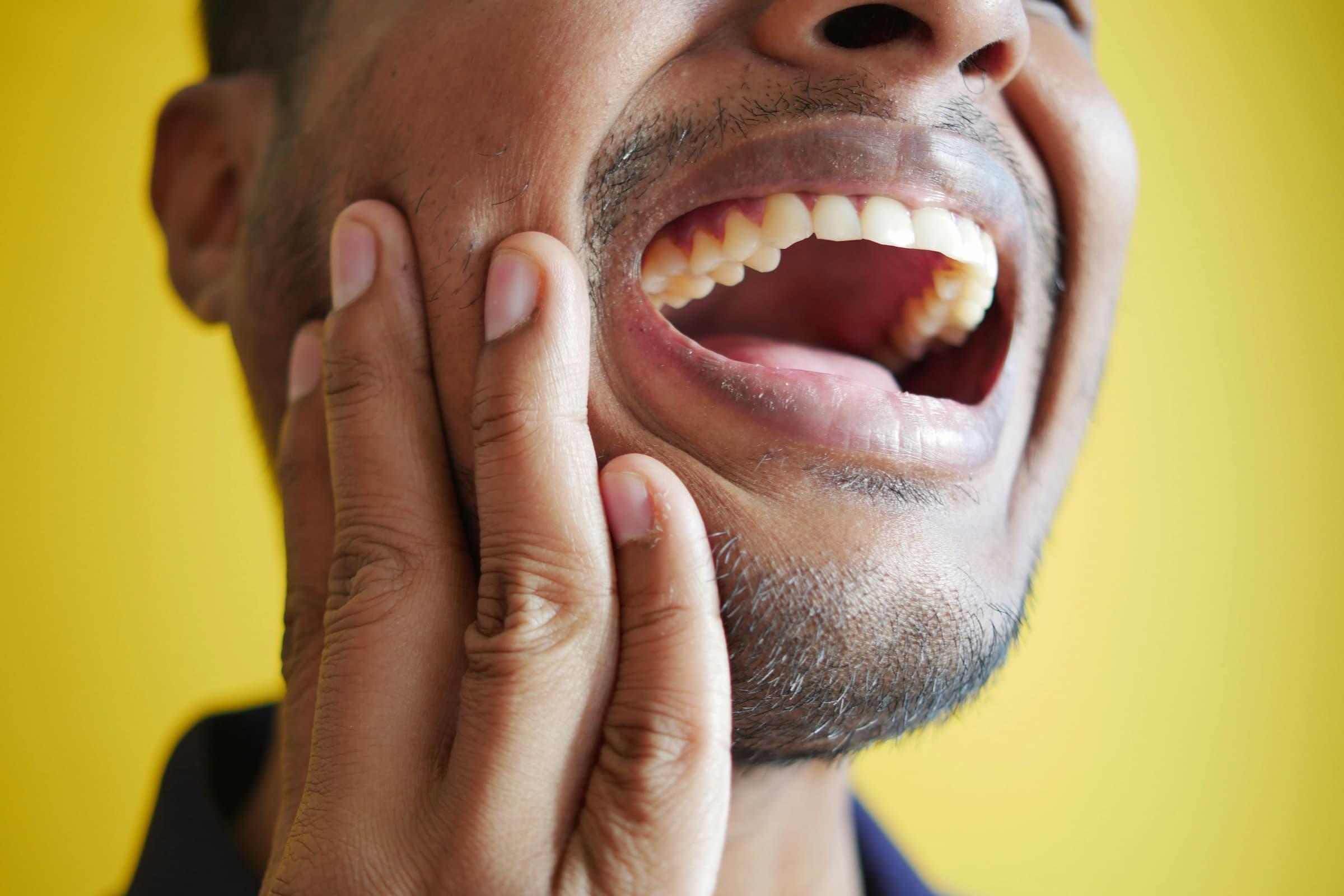
Your teeth might hurt or feel sensitive. Grinding wears down enamel and puts constant pressure on your teeth and gums. Your TMJ - the joint that connects your jaw to your skull - can get inflamed and painful. Some people can barely open their mouth fully because the joint is so tight.
Your neck and shoulders tense up too. Your jaw muscles connect to your neck. When your jaw is locked, everything else tightens in response. And your sleep suffers. Even if you're not consciously aware of it, grinding your teeth at night keeps your body from getting into deep, restorative sleep.
All of this is your body trying to tell you: something needs to release.
Why It Gets Worse at Night
During the day, you might catch yourself clenching and consciously relax your jaw. But at night? You have no control. Your nervous system is running the show.
If your body is stuck in stress mode, it stays tense even while you sleep. Your jaw clamps down and holds that tension for hours. That's why so many people wake up with a sore jaw or a headache. Their body was literally holding stress all night long.
How to Actually Let It Go
Telling yourself to "stop clenching" doesn't work. You might relax for a minute, but then it tightens right back up. The tension isn't really about your jaw. It's about your nervous system being stuck in a state of high alert.
Lower Your Baseline Stress
Your jaw tension is a symptom of chronic nervous system activation. If you're constantly running on stress, your body doesn't know how to release.
One of the most effective ways to support your nervous system is magnesium. It helps regulate your stress response and supports muscle relaxation - including the muscles in your jaw.
A lot of people notice that when they take magnesium consistently, their jaw tension decreases. Not because it's masking the problem, but because it's helping their nervous system actually calm down.
Take it in the evening, about an hour before bed. It helps your body wind down so you're not carrying all that tension into sleep.
Give Your Jaw Physical Relief
While you're working on calming your nervous system long-term, you also need to release the built-up tension right now.
A massage gun can help. Use it on the muscles along your jawline and down into your neck and shoulders. Start on the lowest setting - your jaw muscles are sensitive, so you don't need a lot of pressure.

Heat also helps. A warm compress or heating pad on your jaw relaxes the muscles and increases blood flow, which helps release tension.
Some people also find relief from acupressure. Lying on an acupressure mat for 10-15 minutes in the evening creates intense sensory input that can interrupt the tension cycle and force your body to reset.
Address Nighttime Grinding
If you're waking up with a sore jaw, you're probably grinding your teeth while you sleep.
A weighted sleep mask can help. The gentle pressure across your face signals your nervous system to relax, which can reduce nighttime jaw clenching. It's not a cure, but it helps in the short term while you're working on the deeper issue.
Check In During the Day
Set a reminder on your phone to check your jaw every hour or two. Is it clenched? Release it. Let your tongue rest on the roof of your mouth and your teeth slightly apart. That's the natural resting position.
At first, you'll probably catch yourself clenching constantly. That's normal. You're just becoming aware of a pattern that's been running on autopilot. Over time, checking in helps retrain your body. You start catching the tension earlier, before it builds into a full clench.
This Takes Time
You're not going to undo years of jaw tension overnight. But you can start shifting the pattern. Support your nervous system with magnesium. Release the physical tension with massage or heat. Pay attention during the day and consciously relax your jaw when you notice it's tight.
Gradually, the tension will start to ease. You'll wake up without headaches. You'll get through the day without that constant ache. Your jaw won't feel like it's holding the weight of your entire stress load.
Because that's what it's been doing. And it's time to give it - and your nervous system - some relief.
Reflections & Thoughts
No thoughts shared yet. Be the first to join the conversation.