Why You're Exhausted After Hanging Out With Friends (Even If You Had a Good Time)
Quick note: This article contains affiliate links, which means I may earn a small commission if you purchase through them, at no extra cost to you. I only recommend products I've researched and genuinely believe can help. Your trust matters more than any commission. As an Amazon Associate, I earn from qualifying purchases.
You had a good time. You really did. You went out with friends, or hosted people at your place, or attended some event. You laughed, you talked, you enjoyed yourself.
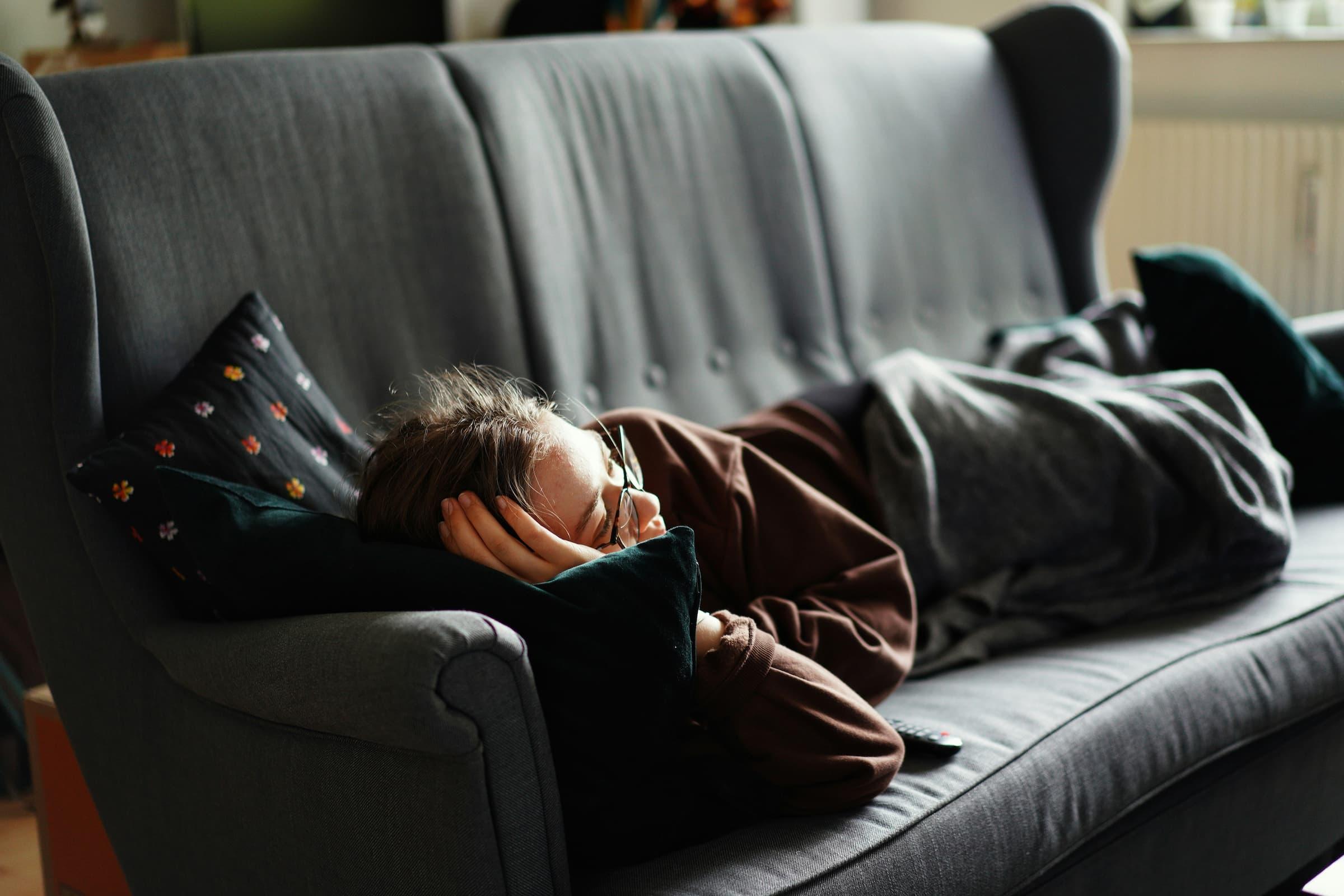
And now you're home, and you feel like you've been hit by a truck.
Not sad. Not anxious. Just completely drained. Like every ounce of energy has been wrung out of you.
You collapse on the couch and the idea of doing anything - even something simple like making food or changing clothes - feels impossible.
If this is your pattern, you're not antisocial. You're not broken. Your nervous system just processed a lot, and now it needs to recover.
Social Situations Are Stimulation Overload
Even enjoyable social interactions require a lot from your nervous system.
You're processing faces, voices, body language, conversation flow, social cues. You're managing your own responses - what to say, when to speak, how to react. You're monitoring the group dynamic and adjusting your behavior accordingly.
All of this happens mostly on autopilot, but it's still work. Your brain is running at high capacity the entire time.
For some people, this feels energizing. They thrive on social stimulation. Being around people recharges them.
For others - especially people with more reactive nervous systems - it's the opposite. Social interaction drains the battery.
It doesn't matter if you enjoyed it. Enjoyment and energy drain can coexist. You can have a great time and still come home completely wiped out.
Why It's Worse for Some People
If you're highly sensitive to stimulation, social situations hit harder.
You're picking up on more information than the average person. Subtle shifts in tone, facial expressions, energy in the room. You're processing all of it, often without realizing it.
Your nervous system is working overtime to manage all that input.
And if the environment was loud, crowded, or chaotic? That's even more draining. Background noise, multiple conversations happening at once, bright lights - all of that adds to the load.
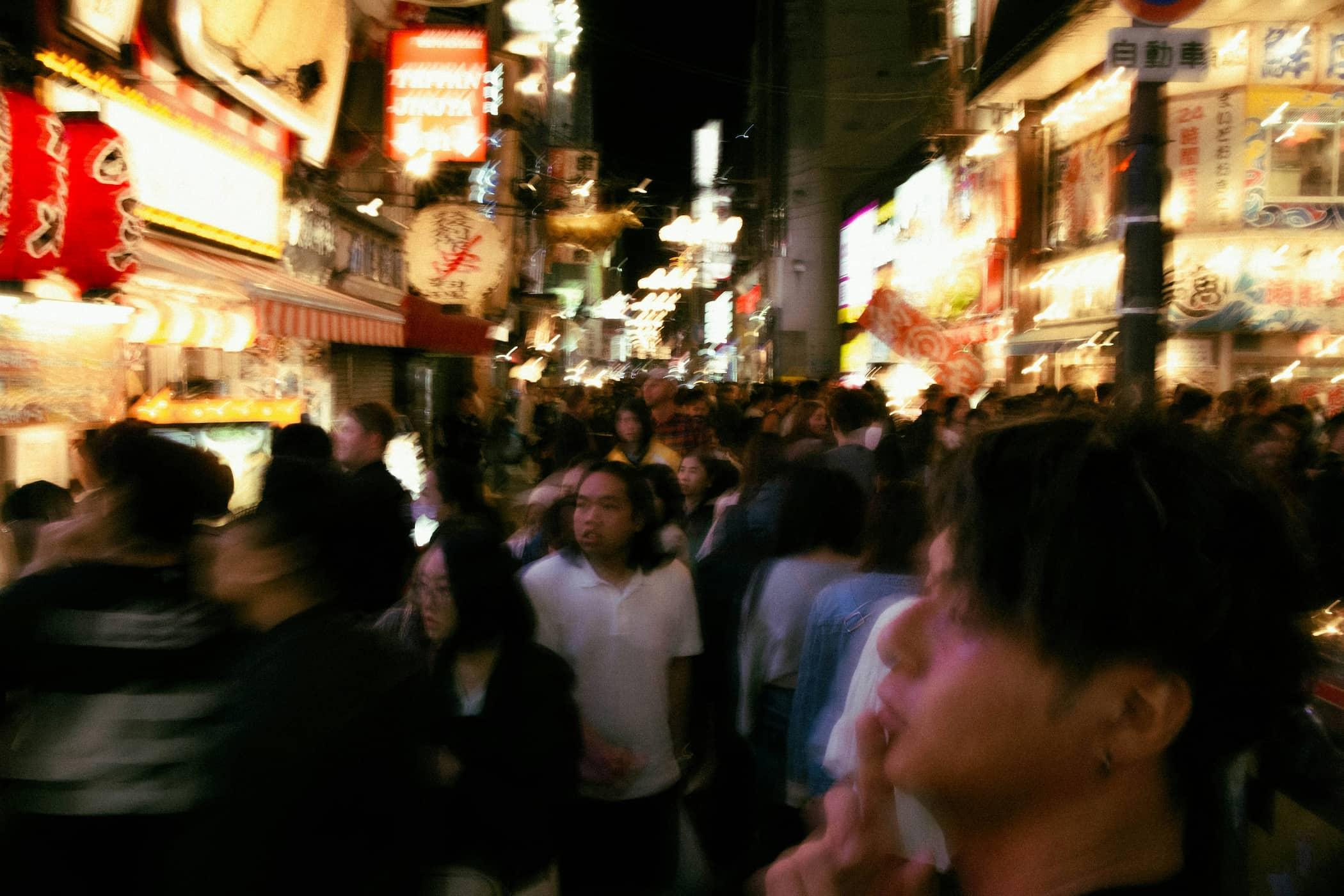
By the time you leave, your nervous system is fried. It's been in high-alert mode for hours, and now it needs to shut down and recover.
The "Social Hangover"
You might wake up the next day still feeling off.
Tired. Irritable. Overstimulated. Like you need a full day of silence to recover from a few hours of socializing.
That's not you being dramatic. That's your nervous system still processing everything from the night before.
Some people call it a "social hangover." It feels a lot like an alcohol hangover - exhaustion, brain fog, sensitivity to noise and light - but you didn't drink anything.
Your nervous system just needs time to reset.
How to Recover Faster
You can't avoid social exhaustion entirely if you're wired this way. But you can give your body tools to recover more efficiently.
Create a Post-Social Wind-Down Ritual
Don't go straight from high stimulation to trying to be productive or social again.
Give yourself permission to decompress.
Change into comfortable clothes. Turn off overhead lights. Create a calm, quiet environment.
A weighted blanket helps with this. The deep pressure signals your nervous system that it's safe to stand down. You're not in social-performance mode anymore. You can relax.
Some people lie on an acupressure mat for 10-15 minutes after socializing. The intense sensation forces your brain to focus on something physical instead of continuing to process the social interaction. It's a hard reset for an overstimulated nervous system.
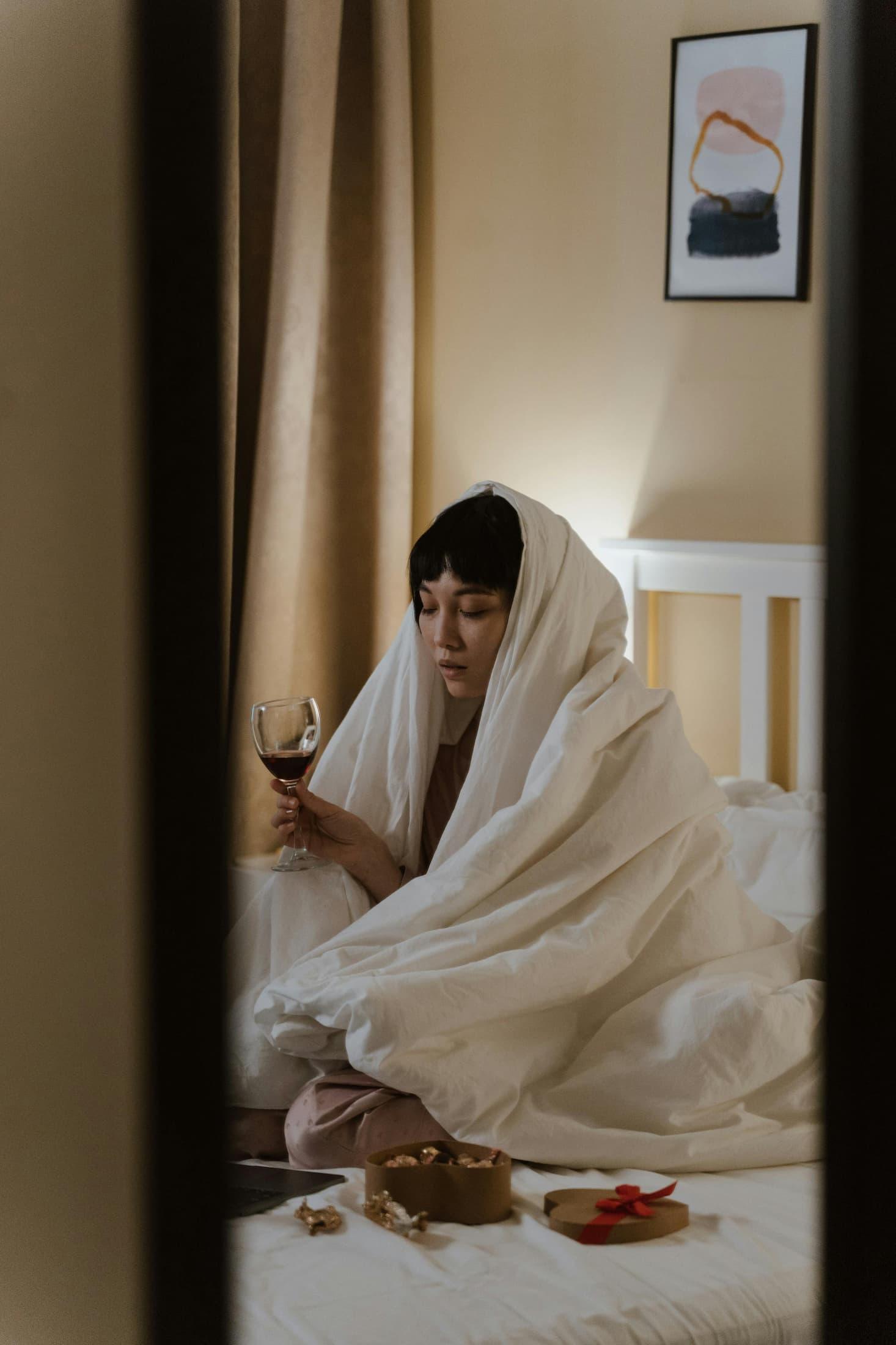
Don't feel guilty about needing this time. It's not optional. It's recovery.
Support Your System While It Resets
Your nervous system burns through resources when it's overstimulated. Replenishing those resources helps you recover faster.
Magnesium supports your parasympathetic nervous system - the part responsible for "rest and digest." Taking it after a draining social event helps your body shift out of high-alert mode and into recovery mode.
Hydration matters too. Drink water. Your body processes stress better when it's not dehydrated.
If your stomach feels off after socializing (some people get digestive issues from social stress), that's your gut-brain connection reacting. The vagus nerve connects your gut to your brain, and when you're overstimulated, it can throw off your digestion.
Supporting your gut health can actually help your nervous system recover. Something like Gut Go or DigestSync can help restore balance when stress has disrupted your digestion.
Limit Additional Stimulation
After you've been socially drained, your capacity for handling more input is low.
This is not the time to scroll social media, watch intense TV, or jump into a mentally demanding task.
Your nervous system needs low stimulation. Quiet. Stillness. Space.
Read something light. Listen to calm music. Sit in silence. Take a bath. Do something that requires minimal processing.
If you're overstimulated, even good things can feel like too much. Honor that. Your system is asking for a break.
Plan Recovery Time Into Your Schedule
If you know social events drain you, stop scheduling things back-to-back.
Don't go to a party on Friday night and then commit to brunch on Saturday morning. You'll be running on fumes.
Build in buffer time. If you're socializing on Saturday, keep Sunday light. Give yourself a full day to recover without pressure or obligations.
This isn't antisocial. It's realistic. You know how your body works. Plan accordingly.
Know Your Limits
You don't have to push through exhaustion to prove you're not antisocial.
If you're already drained and someone invites you to something else, it's okay to say no.
"I had a great time, but I'm pretty wiped out. I need some downtime to recharge."
Most people understand. And the ones who don't? That's not your problem to manage.
You're allowed to protect your energy.
It Doesn't Mean You Don't Like People
Needing to recover after socializing doesn't mean you're introverted or that you don't enjoy people.
Some of the most socially exhausted people genuinely love their friends and have a great time when they're together.
The exhaustion isn't about the quality of the interaction. It's about how your nervous system processes stimulation.
You can love something and still need to recover from it.
You're Not Alone in This
A lot of people feel this way but don't talk about it because they think it means something is wrong with them.
It doesn't. It just means your nervous system is more sensitive to input than average.
That's not a flaw. It's just how you're wired.
And once you accept that, you can stop fighting it and start working with it. Build in recovery time. Use tools that help your system reset. Stop forcing yourself to keep going when your body is clearly asking for rest.
You'll still enjoy socializing. You'll still show up for the people you care about.
You'll just do it in a way that doesn't completely wreck you for the next three days.
Reflections & Thoughts
No thoughts shared yet. Be the first to join the conversation.