Why Social Anxiety Feels Impossible to Overcome
Quick note: This article contains affiliate links, which means I may earn a small commission if you purchase through them, at no extra cost to you. I only recommend products I've researched and genuinely believe can help. Your trust matters more than any commission. As an Amazon Associate, I earn from qualifying purchases.
You've tried to "just be more confident." You've read articles about making eye contact, smiling more, and "putting yourself out there."

You've told yourself that everyone feels nervous sometimes, and you're not special, so you should just get over it. But social anxiety doesn't work like that.
It's not shyness. It's not introversion. It's not something you can logic your way out of or force yourself through with enough willpower.
Social anxiety is your nervous system treating social situations like physical threats. And until you address that underlying nervous system response, no amount of positive thinking or forced exposure is going to fix it.
Why Social Anxiety Isn't Just "Being Shy"
Shy people might feel a little nervous before a party or hesitate before speaking up in a meeting. But they can push through it without their entire body going into panic mode.
Social anxiety is different. When you have social anxiety, your body responds to social situations the same way it would respond to actual danger. Your heart races. Your hands sweat. Your mind goes blank. You feel like you're being evaluated, judged, and found lacking - even when there's no evidence that anyone is actually thinking about you that way.
Your Brain Sees Social Rejection as a Survival Threat
From an evolutionary standpoint, being rejected by your social group could mean losing access to resources, protection, and survival.
Your brain still treats social rejection like a life-or-death situation, even though logically you know it's not. So when you're in a social situation - especially one where you might be judged or evaluated - your amygdala (the fear center of your brain) lights up. Your body floods with stress hormones. You go into fight-or-flight mode. This isn't a character flaw. It's biology.
It's a Feedback Loop
The worst part about social anxiety is that it creates a self-reinforcing cycle. You feel anxious in social situations, which makes you awkward or withdrawn, which makes other people respond to you differently, which confirms your fear that people don't like you, which makes you more anxious next time.
And the more you avoid social situations to escape that anxiety, the stronger the fear becomes. Your brain learns: Social situations = danger. Avoidance = safety.

Why "Just Be Yourself" Doesn't Work
People who don't have social anxiety love to give advice like "just be yourself" or "nobody's thinking about you as much as you think they are." That might be true. But it doesn't help.
Because when you're in the middle of a social situation and your nervous system is in full panic mode, you can't just think your way out of it. Your body is screaming DANGER. Your heart is pounding. Your mind is blank. You can't access the rational part of your brain that knows this isn't actually life-or-death.
You need tools that work with your nervous system, not against it.
What Actually Works
Overcoming social anxiety isn't about becoming fearless or suddenly loving being the center of attention. It's about giving your nervous system what it needs to stop treating every social interaction like a threat.
Learn the System That Retrains Your Nervous System
If you're serious about overcoming social anxiety, you need a structured approach - not just random tips from the internet.
The Complete Social Confidence System is designed specifically for people with social anxiety. It's not generic self-help. It's a step-by-step program that addresses the root cause: your nervous system's overreaction to social situations. Try the Complete Social Confidence System →
If you're looking for something more affordable, the Udemy course "How I Overcame Social Anxiety, Grew Confidence & Self-Esteem" is an excellent starting point. It's taught by someone who's actually been through severe social anxiety (not just someone who read about it in a textbook). Try the Udemy Course →
Address the Mechanical Stress Pattern (For Logical Thinkers)
Some people don't respond well to traditional "mindset work." If you're the type of person who finds affirmations and visualization exercises frustrating because they don't address why your brain is doing this, you might need a different approach.
Instead of treating social anxiety as a mindset problem, try reframing it as a pattern recognition error - your brain learned at some point that social situations were unsafe, and it's been running that program on autopilot ever since. Once you understand that, the goal shifts from "fixing yourself" to interrupting and rewriting the pattern.
A practical way to do this: after a social situation that triggered anxiety, write down exactly what your brain predicted would happen versus what actually happened. Over time, this creates a paper trail of evidence that challenges your brain's threat assessment. It's not about positive thinking - it's about showing your nervous system, with real data, that its predictions are consistently wrong. Logical brains tend to respond well to this because it feels less like self-help and more like debugging a faulty program.
Use a Workbook to Work Through It Yourself
Not everyone wants to take a course. Some people prefer working through things on their own at their own pace. The Shyness and Social Anxiety Workbook is the gold standard self-help resource for social anxiety. It's written by psychologists and based on CBT (Cognitive Behavioral Therapy). Get the Workbook on Amazon →
Use Supplements to Take the Edge Off
Social anxiety is a nervous system issue, which means supporting your nervous system biochemically can help. L-Theanine is an amino acid found in tea that promotes calm focus without making you drowsy. It increases GABA, serotonin, and dopamine. Get Nutricost L-Theanine →
Magnesium helps regulate your overall stress response. When you take it consistently, your baseline anxiety tends to be lower, which means social situations don't trigger you as intensely. Try Magnesium Breakthrough →
Give Your Hands Something to Do in the Moment
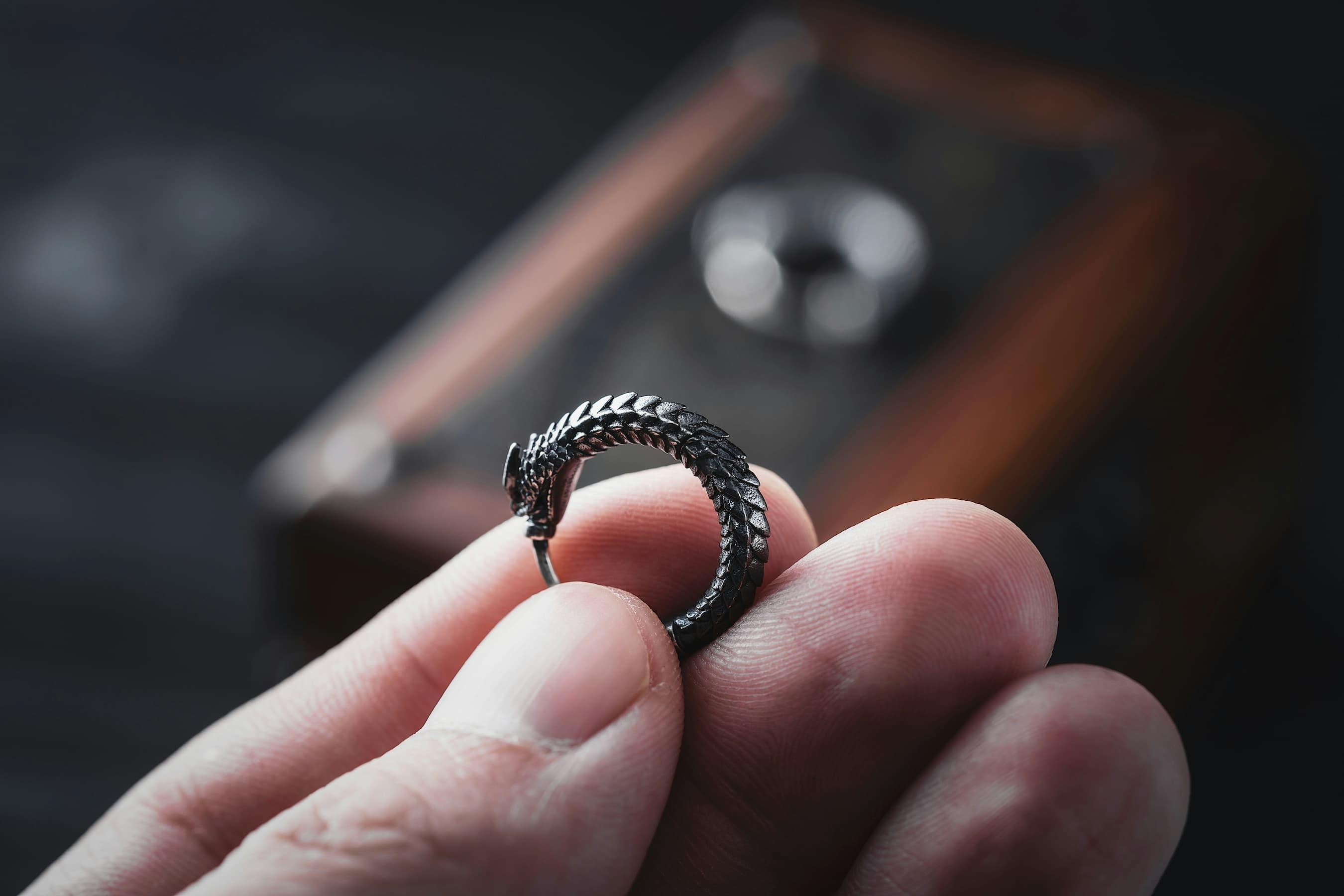
When you're in a social situation and your anxiety is spiking, your hands often feel restless or shaky. A fidget ring gives your hands a small, discreet task that can actually help calm your nervous system. Check out the Best Fidget Rings →
Practice Exposure Gradually
Exposure therapy works for social anxiety. But "just force yourself to do the thing you're afraid of" is bad exposure therapy. Effective exposure is gradual, controlled, and paired with tools that help you manage the anxiety.
It's Not About Becoming an Extrovert
You don't have to become the life of the party. You don't have to love networking events or enjoy small talk. The goal is to stop feeling like social situations are dangerous. You can still be introverted. You can still prefer small groups over large crowds. You can still need alone time to recharge.
But you shouldn't feel trapped by fear. You shouldn't avoid opportunities, relationships, or experiences because your nervous system is treating them like threats.
Social anxiety is treatable. It takes time, and it takes consistent effort, but it's possible. You're not broken. Your nervous system is just stuck in a pattern. And with the right tools, you can teach it a new one.
Reflections & Thoughts
No thoughts shared yet. Be the first to join the conversation.