Why Daylight Saving Time Wrecks Your Nervous System
Quick note: This article contains affiliate links, which means I may earn a small commission if you purchase through them, at no extra cost to you. I only recommend products I've researched and genuinely believe can help. Your trust matters more than any commission. As an Amazon Associate, I earn from qualifying purchases.
Twice a year, we mess with the clocks. And twice a year, your body pays the price. Daylight Saving Time feels like it should be no big deal. It's just one hour, right?
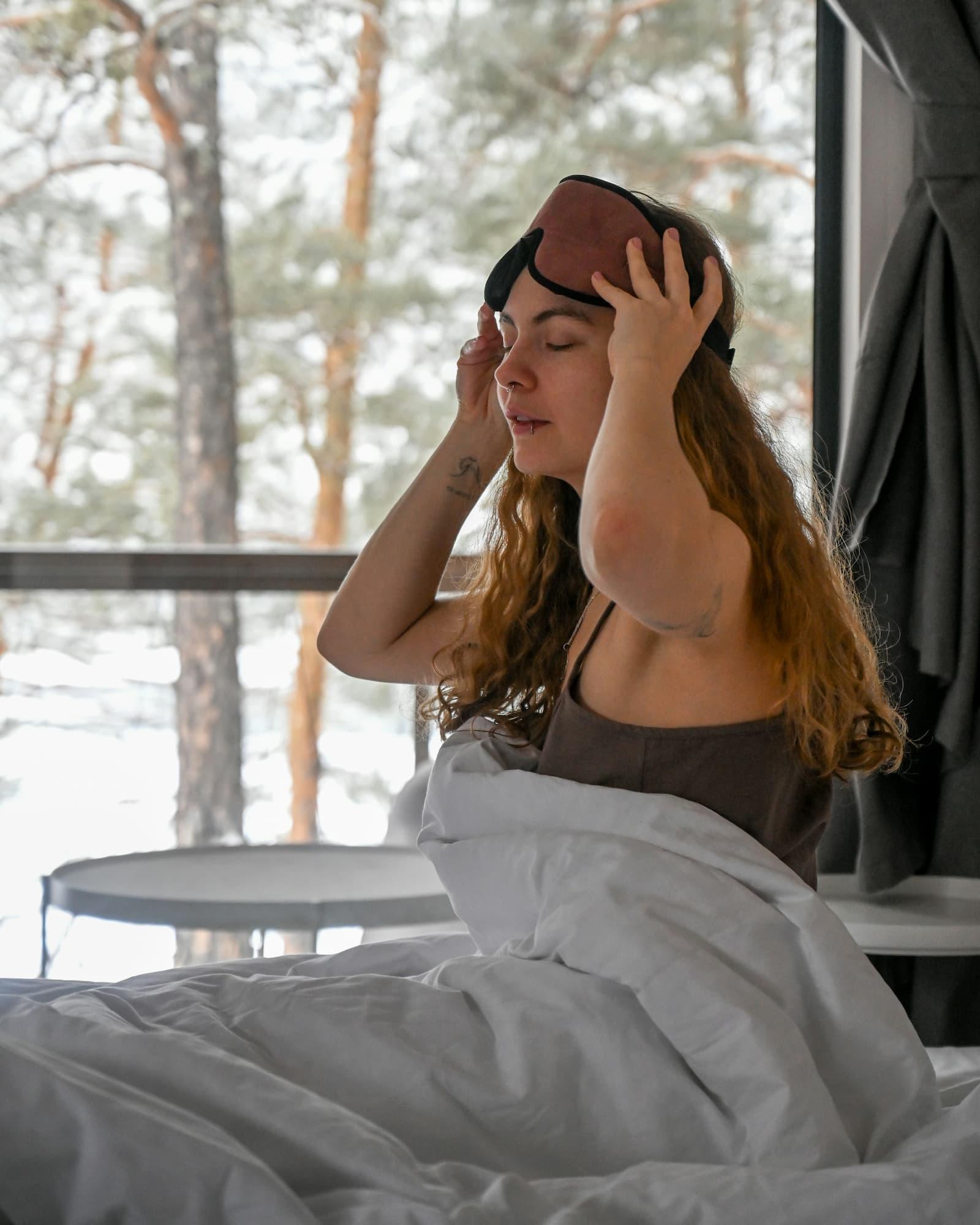
But that one hour throws off your entire system. Your sleep gets disrupted. Your mood tanks. You feel foggy and irritable for days, sometimes weeks.
It's not just you being sensitive. Your nervous system is genuinely struggling to adjust.
Why One Hour Feels Like Jet Lag
Your body runs on an internal clock called your circadian rhythm. It regulates when you feel awake, when you feel tired, when you're hungry, when your body temperature rises and falls.
This rhythm is incredibly precise. It's synced to light, darkness, and your daily patterns.
When you suddenly shift everything by an hour, your circadian rhythm doesn't just snap into place. It takes days to recalibrate.
Your brain is still expecting to wake up at the "old" time. Your body is still producing melatonin at the "old" time. Your cortisol rhythm is off.
So even though the clock says 7 AM, your body thinks it's 6 AM. And that disconnect creates the same kind of disorientation you'd feel from traveling across time zones.
Except you didn't go anywhere. You're just... tired and confused in your own house.
It's Worse in Spring
Losing an hour in spring (springing forward) is harder on your system than gaining an hour in fall.
When you lose sleep, your body doesn't just "make it up" the next night. Sleep debt accumulates. You're starting the week already behind.
And it's not just about being tired. The time shift affects:
- Your mood. Studies show an increase in depression and anxiety in the week after DST. Your serotonin production is tied to light exposure, and when your schedule shifts, so does your brain chemistry.
- Your focus. Cognitive performance drops. You're slower to react, harder to concentrate, more prone to mistakes. This is why car accidents and workplace injuries spike in the days after DST.
- Your digestion. Your gut runs on a schedule too. When you eat at different times relative to your internal clock, your digestion gets thrown off. Bloating, discomfort, irregular bathroom habits - all common after DST.
- Your stress response. When your circadian rhythm is disrupted, your cortisol regulation suffers. You might feel more on edge, more reactive, harder to calm down.
How Long Does It Take to Adjust?
Most people take about a week to fully adjust. Some people take longer - up to two weeks.
If you're already dealing with poor sleep, anxiety, or a dysregulated nervous system, it hits harder. Your system doesn't have the resilience to adapt quickly.
And if you're trying to just push through it - drinking extra coffee, staying up late anyway, ignoring your body's signals - you're making it worse.
How to Actually Recover
You can't avoid DST. But you can support your body through the transition.
Start Adjusting Before It Happens
If you can, shift your schedule gradually in the days leading up to DST. Go to bed 15 minutes earlier each night for three nights before the time change. Wake up 15 minutes earlier too.
Get Bright Light in the Morning
Your circadian rhythm is most responsive to light in the morning. After DST, when you wake up (even if it feels too early), get outside or sit by a bright window within 30 minutes.
Natural sunlight is best, but if it's still dark out, use a bright light or a SAD lamp. The light exposure tells your brain: "This is morning. Time to wake up."
Avoid Blue Light at Night
Blue light from screens suppresses melatonin and tricks your brain into thinking it's still daytime. Wear blue light blocking glasses in the evening, especially in the first week after DST.

Support Your Sleep Chemistry
Magnesium Breakthrough helps regulate your circadian rhythm and supports melatonin production. Taking it consistently in the evening can help your body adjust to the new schedule faster.
Create a Consistent Bedtime Routine
Even if you don't feel tired at the "new" bedtime, go through the routine anyway. A weighted blanket can help signal your nervous system that it's time to wind down.
Use a Sunrise Alarm Clock
A sunrise alarm clock gradually increases light in your room before your alarm goes off, mimicking a natural sunrise and waking you up more gently.
Be Gentle With Yourself
The first few days after DST, you're going to feel off. That's normal. Don't schedule important meetings or high-stakes tasks if you can avoid it. Give yourself extra time in the morning. Don't expect peak performance. Your body is working hard to recalibrate. The best thing you can do is support it, not fight it.
Reflections & Thoughts
No thoughts shared yet. Be the first to join the conversation.