Spring Anxiety: Why Seasonal Changes Trigger Your Nervous System
Quick note: This article contains affiliate links, which means I may earn a small commission if you purchase through them, at no extra cost to you. I only recommend products I've researched and genuinely believe can help. Your trust matters more than any commission. As an Amazon Associate, I earn from qualifying purchases.
Spring is supposed to feel hopeful. Fresh starts, longer days, warmer weather. So why do you feel more anxious? It's not just you.

A lot of people experience increased anxiety in spring, and it's not random. Seasonal changes affect your nervous system in specific, measurable ways.
Your body is trying to adjust to a major shift - more light, different temperatures, changing routines - and when your system is already sensitive, that adjustment feels overwhelming.
Why Spring Triggers Anxiety
1. Light Exposure Changes Everything
In winter, you're getting minimal daylight. Your body adapts to that. Your melatonin production increases, your serotonin levels drop slightly, your circadian rhythm adjusts to shorter days.
Then spring hits. Suddenly, there's significantly more light. The sun rises earlier, sets later, and the intensity of sunlight increases.
Your brain has to recalibrate. Melatonin production needs to shift. Serotonin levels need to adjust. Your circadian rhythm has to reset.
For some people, this transition feels energizing. For others - especially people with anxiety or nervous system sensitivity - it feels destabilizing.
More light means more stimulation. Your nervous system is processing more input, and if it's already running reactive, that extra stimulation can push it into overdrive.
2. Your Routine Changes
Winter routines are predictable. You stay inside more. Social obligations decrease. Everything slows down.
Spring changes that. Suddenly, there are more plans, more expectations, more pressure to "get out there" and enjoy the weather.
For people who thrive on routine and predictability, this shift is stressful. Your nervous system likes patterns. When those patterns change, it has to work harder to adapt.
3. Pollen and Inflammation
If you have seasonal allergies, spring is rough. But even if you don't notice obvious allergy symptoms, pollen can still affect your system.
Allergies trigger inflammation. And inflammation affects your brain and nervous system. It can increase anxiety, worsen brain fog, and make you feel more on edge.
Your body is fighting off allergens, which puts your immune system - and by extension, your nervous system - into a heightened state.
4. Temperature Fluctuations
Spring weather is unpredictable. One day it's 70 degrees, the next it's 40. Your body has to constantly adjust to temperature changes, which requires energy.
When your nervous system is already taxed, this constant recalibration adds to the load. You might not consciously notice it, but your body is working harder to maintain balance.
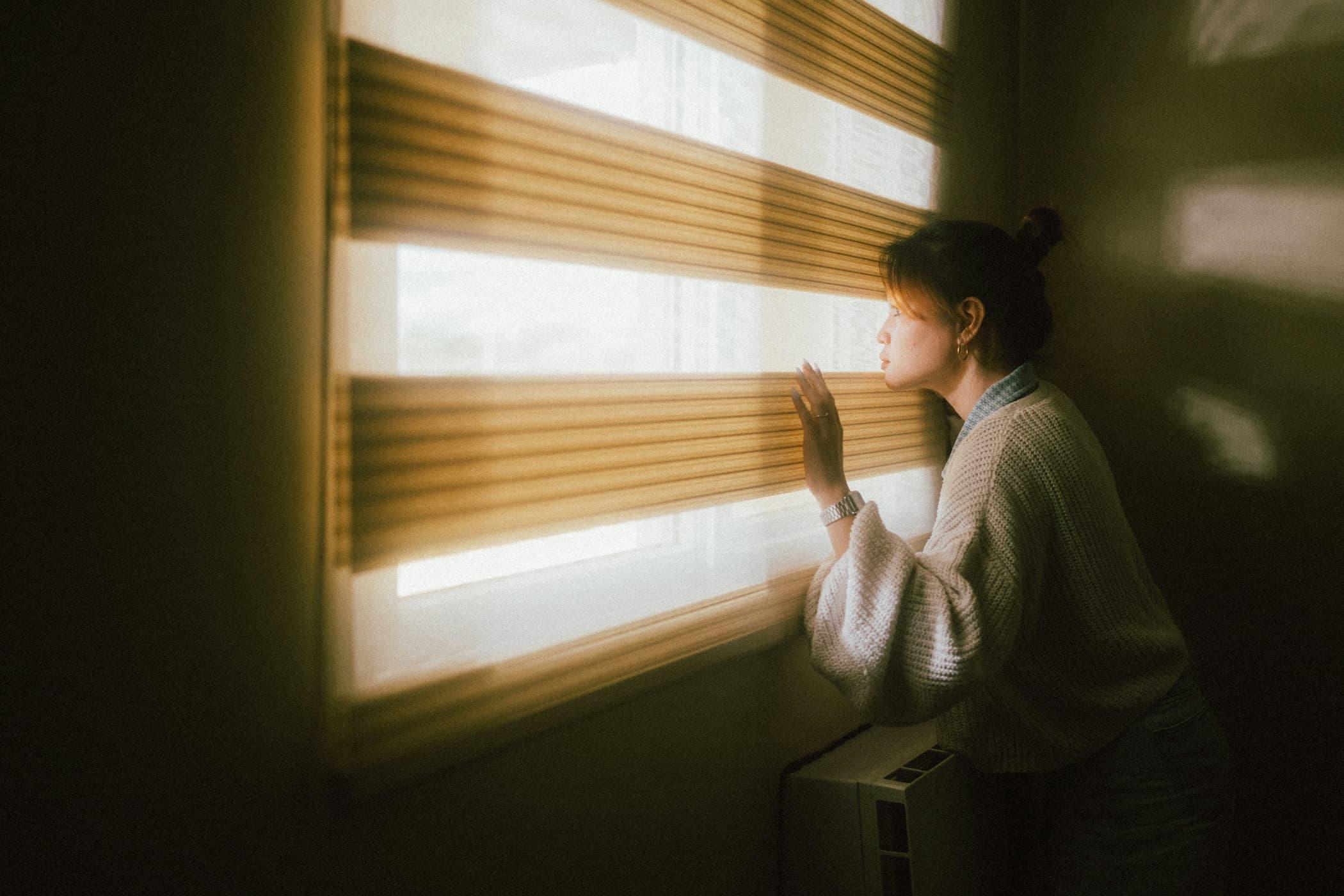
What Spring Anxiety Feels Like
It's not always obvious that the season is the trigger. You might just notice:
- Feeling more restless or on edge
- Sleep getting worse (harder to fall asleep, waking up earlier)
- Increased irritability or mood swings
- Brain fog or difficulty concentrating
- Physical symptoms like headaches, digestive issues, or muscle tension
- A vague sense of overwhelm even when nothing specific is wrong
If these symptoms showed up in late March or April and you can't pinpoint a clear cause, the seasonal shift might be the culprit.
How to Support Your Nervous System
You can't stop spring from happening. But you can help your body adjust without staying in constant stress mode.
Manage Light Exposure Strategically
Your circadian rhythm is adapting to more light. You can help it along by being intentional about light exposure.
In the morning: Get bright light as early as possible. This helps your body wake up and sets your circadian rhythm for the day.
If you're waking up before sunrise or the weather's been grey, a light therapy lamp can help. Sitting in front of it for 20-30 minutes while you have coffee or breakfast gives your brain the light signal it needs. SAD lamp
In the evening: Limit bright light, especially blue light from screens. Your body is trying to figure out the new light pattern. Conflicting signals (bright screens at night) make it harder.
Blue light blocking glasses help filter out the wavelengths that suppress melatonin. Wear them in the evening to help your body wind down. blue light blocking glasses
Support Your System From the Inside
When your nervous system is under extra load from seasonal changes, supporting it biochemically can make a noticeable difference.
Magnesium Breakthrough helps regulate stress response and supports the shift in circadian rhythm. A lot of people find that taking it consistently through seasonal transitions helps smooth out the adjustment.
If you're dealing with brain fog or low energy alongside the anxiety, your brain might need extra support. NeuroActiv6 is designed to support BDNF (brain-derived neurotrophic factor), which helps your brain adapt to changes more efficiently. It can help with mental clarity and resilience during transitions like this.
Address the Inflammation
If you have seasonal allergies, managing them isn't just about your nose and eyes. It's about your whole system.
Antihistamines help with symptoms. But you can also support your body by reducing other sources of inflammation - processed foods, excess sugar, alcohol.
When your immune system isn't fighting on multiple fronts, it has more capacity to handle pollen without sending your entire system into overdrive.
Reduce your allergen exposure while you sleep. You spend 6-8 hours with your face pressed against your pillow, and pillows trap pollen, dust mites, and other allergens. An allergen-blocking pillow cover creates a barrier that keeps those irritants away from your face and airways.
Clear out allergens before bed. If you're dealing with congestion or sinus pressure from pollen, a nasal irrigation system (like a neti pot or squeeze bottle) helps flush out allergens before they trigger a full inflammatory response.
Some people also find that supporting gut health helps with seasonal allergies. Your gut and immune system are closely connected, and when your gut is balanced, your immune response tends to be less reactive. Gut Go or Gut Vita

Create Calming Rituals
When everything feels chaotic and overstimulating, having a few go-to grounding practices helps.
- Physical grounding: A weighted blanket provides deep pressure that calms your nervous system. Use it while you're reading, watching TV, or just sitting and trying to decompress.
- Active grounding: If you prefer doing something rather than just lying under a blanket, having a dedicated meditation space can help. A meditation cushion signals to your brain that this is your calm-down spot.
- Sensory reset: An acupressure mat creates intense physical sensation that interrupts the mental overwhelm and forces your nervous system to focus on something other than anxiety.
- Fidget tools: If you're feeling restless or on edge during the day, having something for your hands to do helps discharge that anxious energy. A fidget ring or therapy putty gives your body a small outlet.
Give Yourself Permission to Go Slower
There's a lot of pressure in spring to suddenly be more social, more active, more productive.
But if your nervous system is struggling with the transition, pushing yourself harder is going to make it worse.
It's okay to ease into spring. You don't have to match everyone else's energy. You don't have to say yes to every invitation or take on every project.
Your body is working hard to recalibrate. The best thing you can do is support it, not fight it.
It Does Get Better
The good news is that this isn't permanent. Once your body fully adjusts to the new season, the anxiety usually eases.
For most people, that takes a few weeks. Sometimes a month.
But while you're in it, knowing what's happening - and having tools to support yourself through it - makes it more manageable.
Spring anxiety is real. It's not you being weak or overly sensitive. It's your nervous system doing what it's designed to do: respond to environmental changes.
You just need to give it what it needs to adapt now.
Reflections & Thoughts
No thoughts shared yet. Be the first to join the conversation.